

3D printing has changed the world of prototyping and production from hobbyist to managed building and companies alike. Polylactic Acid (PLA) is one of the most widely used filaments in 3D printing in part due to its low temp, ease of printing, etc.; and also the biodegradable aspect lends itself toward PLA's popularity. As this technology has become more prevalent, questions have been asked about the toxicology of vapor that a 3D print emits into its surrounding area during print job.
Understanding PLA and Its Fumes
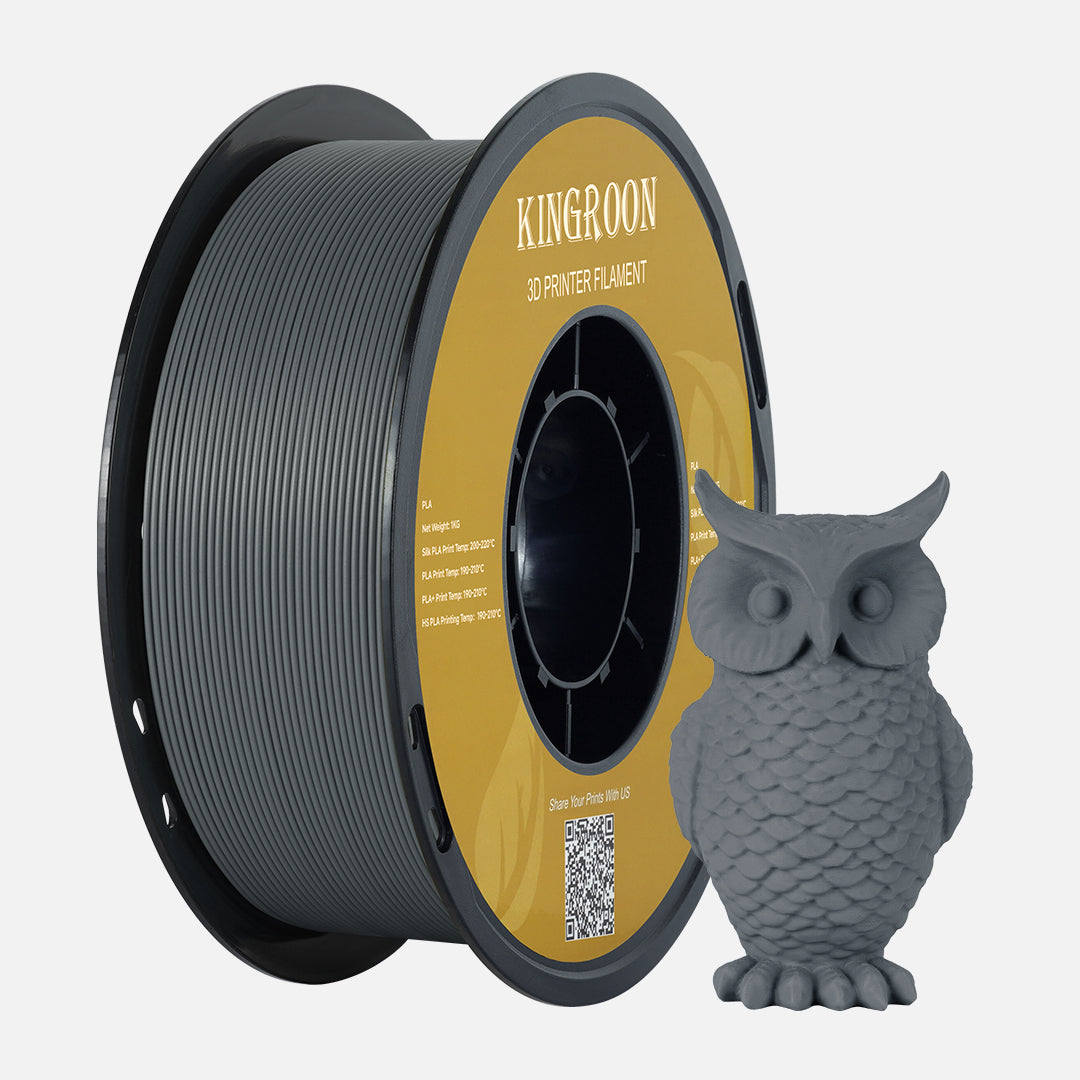
Polylactic Acid (PLA) is a thermoplastic derived from renewable sources such as corn starch or sugarcane. It is popular in 3D printing due to its low melting temperature (generally around 180–220°C), little to no warping, and eco-friendly nature. During 3D printing as PLA is heated, gaseous fumes contain volatile organic compounds (VOCs) and ultrafine particles (UFPs). These vapors are generated as a result of thermal decomposition of plastics, and additives (like colorants, or plasticizers) used in manufacturing commercial PLA filament.

PLA Chemical Structure
The primary components of PLA fumes include:
● Lactide: Lactide is a cyclic dimer of lactic acid and is considered relatively harmless, but it can cause some irritation at higher concentrations.
● VOCs: It is also important to consider the VOCs (volatile organic compounds) like acetaldehyde, formaldehyde, and acetone that are emitted during printing in small, but measurable amounts.
● Ultrafine Particles (UFPs): Ultrafine particles (UFPs), which are very small particles (under 100 nanometers) that can enter deep into the respiratory system.
While PLA is considered safer than another common filament, ABS (rocuronitrile butadiene styrene), which has higher VOCs (styrene), have heavier components than PLA, and emits harmful substances from printing, and the pollution from 3D printing PLA is not as significant as that of ABS, it remains to be seen.
Particle Sizes of VOCs and UFPs in PLA Fumes
Source : https://www.stingraypartswasher.com/filtration-relative-particle-sizes-in-microns.html
The dimension of the aerosolized particles emitted during PLA printing is highly important when assessing their health impacts. Smaller particles, especially UFPs, have the potential to penetrate deeper into the respiratory system and can reach the alveoli in the lungs or enter the bloodstream.
|
Particle Type |
Size Range |
Health Implications |
|
Volatile Organic Compounds (VOCs) |
Gas-phase molecules (not particulate) |
Can cause respiratory irritation; some (e.g., formaldehyde) are potential carcinogens in high concentrations. |
|
Ultrafine Particles (UFPs) |
< 100 nm |
Can penetrate deep into lungs and bloodstream, potentially causing inflammation or cardiovascular issues. |
|
Fine Particles |
100 nm – 2.5 µm |
May cause respiratory irritation but less likely to penetrate as deeply as UFPs. |
|
Coarse Particles |
> 2.5 µm |
Typically filtered by upper respiratory tract, posing lower risk of deep lung penetration. |
Note: While VOCs are not considered particulate matter, they are included on this chart as they may contribute to the overall fume profile. A majority of PLA emissions consist of UFPs, typically with peak concentrations <10-50 nm. Due to their small size, UFPs are the most concerning for potential long-term exposure.
This picture shows why UFPs should be of primary concern in PLA fume toxicity. Because they are so small they can bypass the body's natural filtration, and have the potential to be more toxic than larger particles.
Health Risks of PLA Fumes

lungs human anatomy organ
The risk of health effects from PLA fumes depends on the amount of emissions, the amount of exposure, and personal sensitivities. Research into emissions from 3D printing is evolving but a few studies provide insight into PLA related risks.
Respiratory and Irritation Risks
Inhaling VOCs and UFPs from PLA can cause respiratory irritation, particularly in poorly ventilated spaces. The symptoms may include throat irritation, coughing and uncomfortable sensations in the nose. A 2016 study published in Environmental Science & Technology found that PLA filament generates high levels of UFPs that can deposit in the lungs and gradually lead to inflammatory cellular processes throughout chronic exposure. While short-term exposures to low levels of PLA fumes are unlikely to be acutely harmful, chronic exposure can complicate risks to respiratory conditions (e.g., asthma).
Toxicity of VOCs
PLA emits a number of VOCs including acetaldehyde and formaldehyde, which are listed as possible carcinogens at higher concentrations. The concentrations of VOCs emitted while printing with PLA are almost always several orders of magnitude lower than occupational exposure limits established by regulatory agencies such as OSHA or NIOSH. For example, a recent study in the Journal of Occupational and Environmental Hygiene in 2019 characterized the VOC concentrations from the printing of PLA and indicated that those concentrations were below levels of concern for health effects in almost all situations. Nevertheless, individuals who are especially sensitive, or were exposed to high concentrations (e.g., those using multi-printer setups in an industrial setting) reported subsequent symptoms similar to headaches and dizziness.
Additives and Unknown Risks
Typically, commercial PLA filaments have additives such as dyes, plasticizers, or stabilizers which contribute to emissions. Again, manufacturers do not use the same additives in their filaments, and the amount of research on fume toxicity involving additive-laden colored PLA is limited. Certain colored filaments which have a metallic or specialty finish may release other compounds while heated, even increasing risk of irritation. Since there are no standard regulatory chemical composition guidelines for filaments, the safety of those additives is murky.
Long-Term Exposure Concerns
Although PLA fumes carry little acute toxicity, chronic exposure to UFPs and VOCs may still have cumulative impacts. UFPs should be regarded especially as a concern as their size allows them to penetrate deep into the lung tissue and enter the bloodstream. Research from other sources of exposure to UFPs, such as vehicle exhausts, has found UFPs are associated with cardiovascular and respiratory diseases. While there is not much direct evidence for PLA related UFPs, it would be prudent for hobbyists and professionals who frequently have 3D printers operating nearby to take reasonable precautions to limit exposure.
Is PLA Safe Without Ventilation?

3D Printer Enclosure with Ventilation Kit
Ventilation is a vital factor to consider when assessing the risk involved when using PLA in 3D printing. Without sufficient ventilation, fumes emitted during 3D printing can build up in sealed-off rooms, potentially increasing the concentration of pollutants from the release of Volatile Organic Compounds (VOCs), and Ultrafine Particles (UFPs). This is particularly concerning for small rooms, a home office, or a small workshop where the 3D printer may run (potentially for days) without stopping.
Risks of Poor Ventilation
PLA fumes can be of a higher concentration, which may cause discomfort in sensitive users. In a 2018 study done for Aerosol and Air Quality Research, they measured the concentrations of UFPs in unventilated rooms using PLA printers at rates of 10^5 particles per cubic centimeter level occasionally found in major metropolitan cities exposed to air pollution. This level of UFP concentration may not pose any immediate danger or harmfulness, but repeated or prolonged exposure, may create breathing irritation or other health issues.
The lack of ventilation in these situations will also compound any potential health effects from specific additives found in PLA filaments. As mentioned before, PLA is often colored with additives, and some colorants contain "volatile organic compounds" or VOCs that can linger in the air, increasing the chances on inhaling VOCs if the air does not move. Users may describe symptoms of irritation of the eyes, headache or dizziness.
Ventilation Recommendations

3M P95 / Organic Vapor Paint Project Reusable Respirator 6311
To reduce any risk, it is important to have proper ventilation while printing with PLA. Here are some simple ways to improve airflow:
● Use an Enclosure with Ventilation Where Possible: Many newer printers come with enclosures that may be used with exhaust systems. These help to remove the accumulation of fumes by exhausting them outside or through a HEPA filter.
● Work in a Well Ventilated Room: If possible, open windows and/or work with fans to promote airflow with the addition of a cross-breeze to greatly reduce the concentration of fumes in the air.
● Use Air Purifiers: HEPA air purifiers with activated charcoal filters may also filter some UFPs and absorb harmful VOCs to help improve indoor air quality.
● Reduce Occupancy Time: When printing, avoid spending long periods in a room with an active printer, particularly if the space has no ventilation.
In summary, while PLA is relatively safe in comparison to other filament options, it is not without risk in the absence of ventilation (and particularly for regular users) or confined spaces. Proper air exchange or filtration to reduce potential health effects.
Best Practices for Safe 3D Printing with PLA

Temtop Air Quality Monitor
To further mitigate potential risks from the fumes that are emitted when printing with PLA, consider these best practices:
1. Purchase high-quality filaments. Stick with well-known brands that transparently disclose their filament composition; it is best to avoid cheap filaments, for which you don't know what's added
2. Utilize an enclosed printer: Enclosures will minimize the spread of fumes as well as particles; preferably, your enclosure will be utilized in conjunction with ventilation or filtration systems.
3. Track the air quality: You may want to actively monitor the air quality in your print space and track VOC and/or UFP levels with an air quality monitor.
4. Follow Manufacturer Guidelines: Follow, where possible, recommendations for the optimal process temperatures for printing the PLA; if the PLA is too hot, and being overheated, more emissions will be produced.
5. Take breaks: If you are in the same small space, take breaks and don't expose yourself for long periods.
6. Educate Yourself: One of the best aspects of being in the 3D printing space is new research popping up constantly related to emissions; this is not a staid field.

